


The Omlet Insulated Chicken Waterer: How to keep the water liquid in extreme cold
Follow these tips to get the best out of the your Omlet Insulated Waterer and keep it ice free for as long as possible without a heater in place.
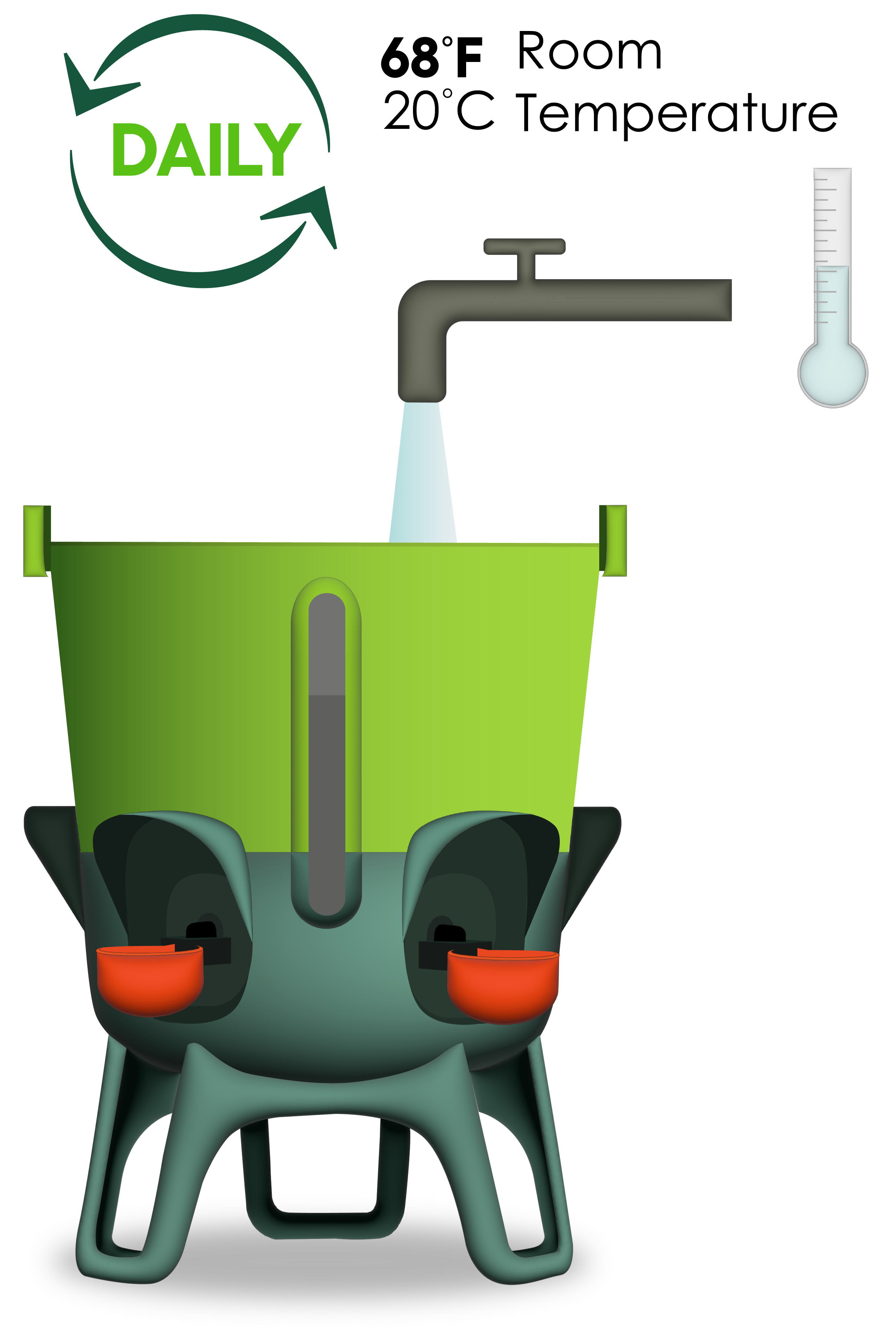
1. Use Room-Temperature Water When Refilling:
Try topping up the waterer with room-temperature water, around 68°F (or 20°C) is ideal. Starting with slightly warmer water gives the waterer a “head start” and keeps it usable for longer.
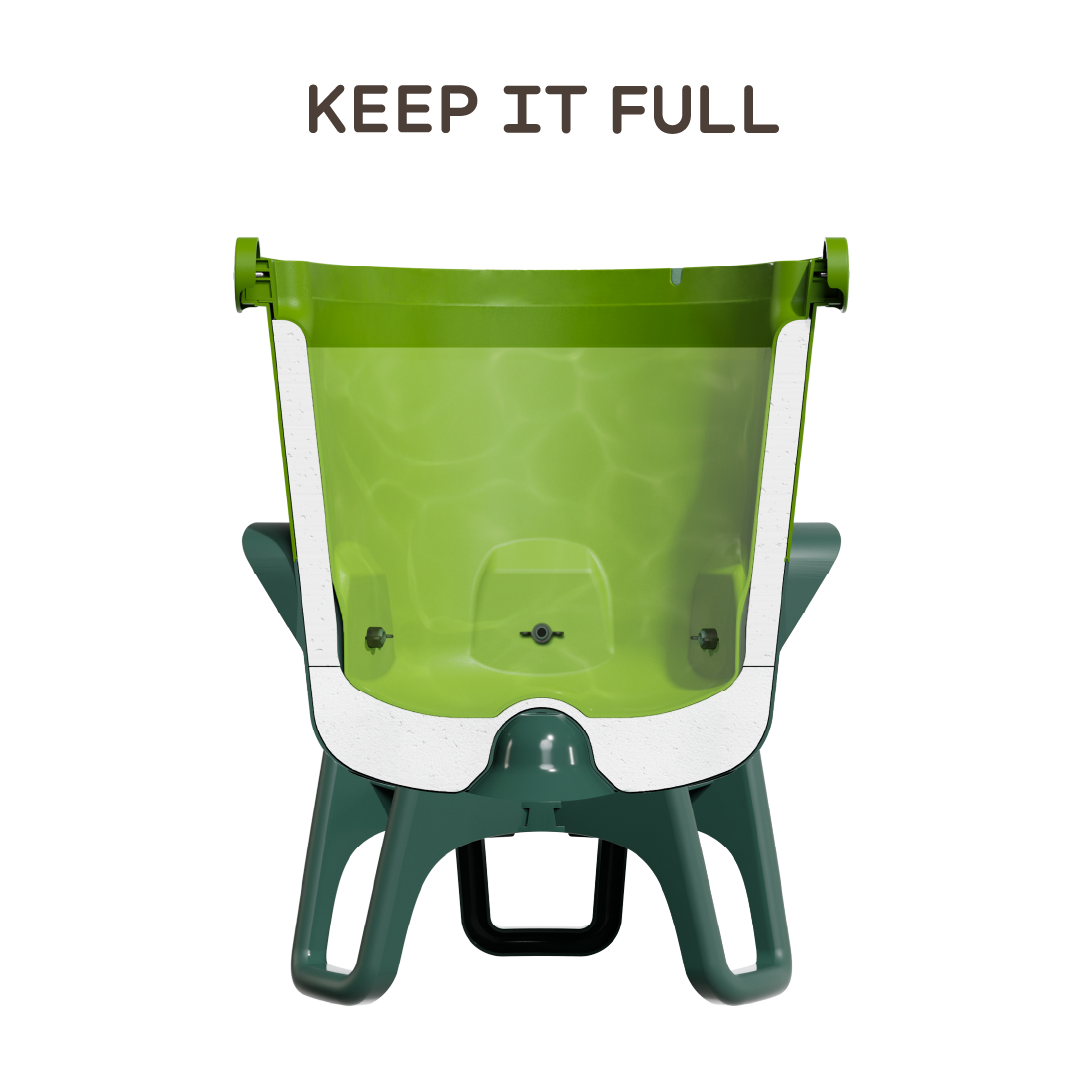
2. Keep It as Full as You Can:
A full waterer stays warmer for longer than one that’s half empty. More water = more thermal mass, which slows down cooling and keeps things running smoothly for the flock.
3. Make Sure Your Chickens Know How to Use the Nipples:
If your waterer has nipple drinkers, it’s important that your chickens know how to use them before it gets really cold. Nipples freeze much less easily than cups, and regular use helps keep everything moving, so ice can’t form as quickly.
How to teach your chickens to use the nipples on the Insulated Chicken Waterer
4. Bring the Waterer Indoors Overnight:
When your chickens are sleeping, they’re not using the waterer, so bringing it inside overnight helps stop it from freezing during the coldest hours. In the morning, you can pop it back outside, fresh with warm water.
5. Let the Sun Give You a Hand:
Place the waterer somewhere it can catch as much winter sun as possible. Even a bit of sunshine helps warm it up and slows down freezing. Try to avoid shady spots or exposed areas where cold winds can hit it directly.

6. Refill Before It Freezes:
The insulation helps keep the water from freezing, but refilling before it turns icy really helps. Think of it like resetting the timer—fresh, slightly warmer water means more time before ice starts forming again. Many customers have let us know that they use the old to refill water butts for other garden uses in warmer months or cleaning their Coop.